
Synthetic Cathinone
Showing all 6 results
-
Buy 2MMC Online
Synthetic Cathinone € 150,00 – € 900,00Price range: € 150,00 through € 900,00 Select options This product has multiple variants. The options may be chosen on the product page -
Buy 3 MMC Online
Synthetic Cathinone € 125,00 – € 750,00Price range: € 125,00 through € 750,00 Select options This product has multiple variants. The options may be chosen on the product page -
Buy 4MMC Online Europe
Synthetic Cathinone € 150,00 – € 900,00Price range: € 150,00 through € 900,00 Select options This product has multiple variants. The options may be chosen on the product page -
Buy A-PVP (Flakka)
Synthetic Cathinone € 150,00 – € 900,00Price range: € 150,00 through € 900,00 Select options This product has multiple variants. The options may be chosen on the product page -
Buy Ethylphenidate Online
Synthetic Cathinone € 150,00 – € 600,00Price range: € 150,00 through € 600,00 Select options This product has multiple variants. The options may be chosen on the product page -
Buy HEXEN (N-Ethylhexedrone)
Synthetic Cathinone € 200,00 – € 4.500,00Price range: € 200,00 through € 4.500,00 Select options This product has multiple variants. The options may be chosen on the product page
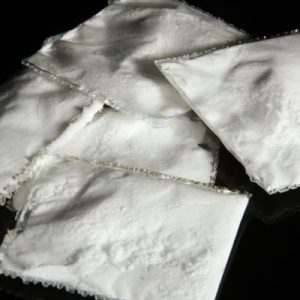


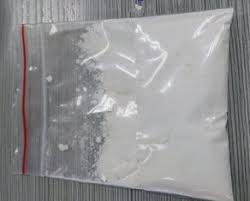
Synthetic Cathinone Awareness & Information
Understanding Synthetic Cathinones in a Public Health Context
Synthetic Cathinone refers to a broad group of laboratory-made compounds chemically related to cathinone, a naturally occurring stimulant found in the khat plant (Catha edulis). In modern scientific and public health discussions, these substances are often classified as part of a wider category known as synthetic stimulant compounds and are frequently included under the umbrella of new psychoactive substances (NPS).
This informational page is designed to support substance misuse education, designer stimulant awareness, and evidence-based public health drug information. It does not promote or encourage any form of drug use but instead focuses on scientific, forensic, and regulatory perspectives.
What Are Synthetic Cathinones?
Synthetic Stimulant Compounds Explained
Synthetic cathinones are human-made chemicals designed to mimic the effects of naturally occurring cathinone. They belong to a broader class of psychoactive substances that act on the central nervous system by interacting with neurotransmitter systems such as dopamine, norepinephrine, and serotonin pathways.
In academic and clinical literature, cathinone class drugs information typically refers to a wide range of structurally related compounds that vary significantly in potency, duration, and risk profile.
These substances are often studied in toxicology and forensic science due to their rapid emergence and structural modification patterns.
The Cathinone Chemical Class
Background and Classification
The cathinone class originates from the naturally occurring compound cathinone, found in the leaves of the khat plant, traditionally used in certain regions for cultural and social practices.
Synthetic variations were developed in laboratory settings and have since evolved into numerous analogs. These compounds are structurally modified to produce different pharmacological effects, which has contributed to their classification as designer stimulant awareness subjects in public health discussions.
Synthetic cathinones are often grouped under:
- Central nervous system stimulants
- Synthetic psychoactive substances
- Emerging recreational drug categories (in regulatory literature)
Due to frequent structural changes, regulatory bodies continuously update classifications to address new variants.
Designer Drugs and New Psychoactive Substances (NPS)
Understanding Evolving Substance Categories
Synthetic cathinones are commonly discussed within the context of new psychoactive substances (NPS)—a term used to describe compounds that are not yet fully controlled under international drug conventions but may pose public health risks.
The concept of “designer drugs” refers to substances that are chemically altered to mimic controlled drugs while attempting to bypass existing regulations. This has led to ongoing challenges in regulation, monitoring, and public health response.
In substance awareness education, synthetic cathinones are frequently highlighted as an example of how rapidly evolving chemical modifications can outpace traditional regulatory frameworks.
Scientific and Forensic Research
How Synthetic Cathinones Are Studied
In scientific literature, synthetic cathinones are primarily examined through:
- Forensic toxicology analysis
- Clinical case studies in emergency medicine
- Pharmacological research on stimulant effects
- Public health surveillance systems
Researchers in forensic laboratories identify these compounds using advanced analytical methods such as mass spectrometry and chromatography. This allows experts to detect new variants and track emerging trends in illicit synthetic substances.
Within public health drug information, synthetic cathinones are often used as case studies to understand the risks associated with rapidly evolving psychoactive compounds.
Public Health Risks of Synthetic Stimulants
Understanding Designer Stimulant Risks
From a public health perspective, synthetic cathinones are associated with a range of potential risks due to their variable composition and unpredictable effects. Because these substances can differ significantly between batches and chemical structures, their impact on the human body is difficult to standardize.
Key stimulant drug risks discussed in medical and toxicology literature include:
- Elevated physiological stress responses
- Severe agitation or confusion
- Cardiovascular strain
- Neurological overstimulation
- Unpredictable toxic effects due to structural variability
Public health organizations emphasize that variability in composition is a major factor contributing to the risks associated with designer stimulant awareness campaigns.
Short-Term and Long-Term Health Concerns
Educational Overview of Health Effects
In clinical and research settings, synthetic cathinones are associated with both acute and long-term health considerations. These findings are based on observational studies, emergency medical reports, and toxicology data.
Short-Term Observations (Clinical Reports)
- Increased heart rate and blood pressure
- Restlessness or agitation
- Confusion or disorientation
- Anxiety-like responses
- Risk of acute toxicity in unpredictable cases
Long-Term Concerns (Public Health Research)
- Potential neurochemical imbalance
- Mental health complications reported in some cases
- Increased strain on cardiovascular systems
- Risks associated with repeated exposure to unknown compounds
It is important to emphasize that outcomes vary widely due to the chemical diversity of synthetic cathinones and lack of standardization.
Legal Status and Global Regulation
Regulatory Differences Across Regions
The legal classification of synthetic cathinones varies significantly across countries. Many jurisdictions classify them under controlled substance laws, while others regulate them under broader analog or psychoactive substance legislation.
Common regulatory approaches include:
- Blanket bans on cathinone-class substances
- Specific scheduling of identified compounds
- Emergency or temporary class-wide controls
- Inclusion under new psychoactive substances (NPS) laws
Because new variants frequently emerge, regulatory frameworks are continuously updated to address newly identified compounds.
In synthetic cathinone information discussions, legal variability is a key topic due to its impact on enforcement and public health monitoring.
Harm Reduction and Substance Awareness Education
Public Health Strategies and Education
Harm reduction is a key component of modern substance misuse education. In the context of synthetic cathinones, harm reduction focuses on reducing risk through awareness, education, and access to accurate information.
Public health approaches often include:
- Dissemination of evidence-based information
- Early warning systems for emerging substances
- Education on variability and unpredictability of NPS
- Support services for individuals affected by substance use
- Community outreach and awareness campaigns
These strategies aim to reduce harm without promoting or encouraging substance use.
Role of Forensic Science and Toxicology
Identifying Emerging Synthetic Compounds
Forensic science plays a critical role in identifying and monitoring synthetic cathinones. Laboratories use advanced analytical tools to detect structural changes in compounds and classify newly emerging substances.
Toxicologists contribute to:
- Identifying unknown compounds in clinical cases
- Tracking patterns in designer stimulant risks
- Providing data for regulatory decision-making
- Supporting emergency medical responses
This scientific monitoring is essential for maintaining updated public health drug information systems and improving global response strategies.
Frequently Asked Questions (FAQ)
What is Synthetic Cathinone?
Synthetic cathinones are laboratory-made stimulant compounds chemically related to the naturally occurring substance cathinone found in the khat plant.
Why are synthetic cathinones considered dangerous?
They are considered risky due to unpredictable chemical composition, variability between batches, and limited clinical research on their effects.
Are synthetic cathinones legal?
Legal status varies by country. Many nations classify them as controlled substances or include them under broader new psychoactive substance regulations.
What are new psychoactive substances (NPS)?
NPS are synthetic or semi-synthetic compounds designed to mimic controlled drugs but may not yet be fully regulated under international law.
How are synthetic cathinones studied?
They are studied through forensic toxicology, clinical case reports, and public health surveillance systems to understand their risks and behavior.
Conclusion: Supporting Awareness Through Education
Understanding Synthetic Cathinone compounds through a scientific and public health lens is essential for improving designer stimulant awareness and strengthening substance awareness education globally. Ongoing research in forensic science, toxicology, and public health continues to play a vital role in identifying emerging substances and informing regulatory responses.
For further information, individuals are encouraged to consult verified public health sources or licensed medical professionals specializing in substance-related education and safety.
Disclaimer: This content is provided strictly for educational and informational purposes only. Synthetic cathinones and related compounds may be controlled or illegal in many jurisdictions. This page does not promote, encourage, or facilitate the production, sale, purchase, or use of any controlled or illicit substances. Always follow applicable laws and consult qualified healthcare or public health professionals for guidance regarding substance-related concerns.