
Mushroom Tea
Showing all 7 results


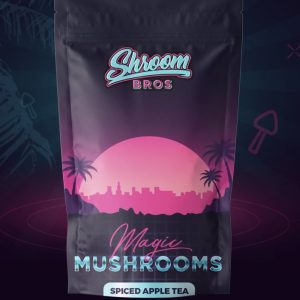
Mushroom Tea: Types, Benefits & Herbal Infusion Guide
Understanding Mushroom Tea in a Botanical Wellness Context
Mushroom Tea is a category of herbal infusion beverages made by combining dried or extracted functional mushrooms with hot water or herbal blends. In modern wellness and botanical markets, it is commonly positioned within the broader category of natural wellness teas and botanical tea infusions, often associated with traditional herbal practices and contemporary functional beverage trends.
Unlike conventional teas made from Camellia sinensis leaves, mushroom tea is typically crafted using functional mushroom tea ingredients derived from species that have been historically studied in ethnobotanical and nutritional contexts.
This guide provides an educational overview of mushroom tea benefits information, ingredient categories, sourcing considerations, and the evolving role of mushroom-based beverages in global wellness culture.
What Is Mushroom Tea?
A Functional Herbal Infusion
Mushroom tea refers to a beverage created by infusing medicinal or functional mushrooms in hot water, either as whole dried pieces, powdered extracts, or blended formulations. In many formulations, mushrooms are combined with herbs, spices, or botanicals to create herbal mushroom tea blends.
Within the wellness industry, mushroom tea is often discussed as part of adaptogenic mushroom drinks, a category of beverages that includes ingredients traditionally used in herbal systems for supporting general well-being and balance.
It is important to note that mushroom tea is primarily discussed in nutritional and botanical contexts rather than as a medical treatment.
Types of Functional Mushrooms Used in Mushroom Tea
Reishi (Ganoderma lucidum)
Reishi is one of the most widely recognized mushrooms in medicinal mushroom tea guide discussions. It has a long history of use in traditional Eastern herbal systems and is commonly included in wellness tea blends for its adaptogenic classification.
Lion’s Mane (Hericium erinaceus)
Lion’s Mane is frequently featured in functional mushroom tea formulations due to its distinctive appearance and popularity in modern wellness beverages. It is often included in natural wellness teas designed for daily consumption.
Chaga (Inonotus obliquus)
Chaga is commonly used in mushroom tea blends due to its earthy profile and traditional use in Northern and Eastern European herbal practices. It is often found in botanical tea infusions focused on rich, dark flavor profiles.
Cordyceps (Cordyceps militaris and sinensis varieties)
Cordyceps is widely used in adaptogenic mushroom drinks and is frequently included in modern functional beverage formulations. It is often combined with other mushrooms in herbal mushroom tea blends.
Herbal Mushroom Tea Blends and Adaptogenic Formulations
Blended Functional Beverages
Many modern mushroom tea products combine multiple mushroom species with herbs such as ginger, cinnamon, turmeric, or green tea. These combinations are designed to create complex flavor profiles and broaden the category of mushroom tea benefits information in wellness discussions.
In commercial formulations, adaptogenic mushroom drinks are often positioned within functional beverage markets that emphasize botanical diversity and ingredient synergy.
These blends may vary significantly depending on brand formulation, sourcing methods, and intended wellness positioning.
Traditional and Modern Uses of Mushroom-Based Beverages
Historical Botanical Context
Mushroom-based infusions have been used in various traditional herbal systems for centuries. In many cultures, mushrooms were prepared as decoctions or teas as part of broader botanical practices.
Modern Wellness Applications
In contemporary markets, mushroom tea is often categorized within:
- Functional beverage industries
- Herbal wellness product lines
- Botanical infusion markets
- Nutritional supplement beverages
Modern mushroom tea information typically focuses on ingredient sourcing, preparation styles, and consumer wellness trends rather than medicinal claims.
Mushroom Tea in Natural Wellness and Botanical Infusions
Position in the Wellness Industry
Mushroom tea is increasingly associated with the global expansion of natural wellness teas and plant-based beverage innovation. It is often featured alongside herbal teas, adaptogenic blends, and botanical infusions in wellness retail environments.
Within botanical tea infusions, mushroom-based beverages are valued for their unique flavor profiles, traditional heritage, and functional positioning in modern consumer markets.
Quality, Sourcing, and Organic Certification
Ingredient Transparency and Standards
High-quality mushroom tea products typically emphasize:
- Organic or sustainably sourced mushrooms
- Standardized extraction methods (in extract-based products)
- Third-party testing for purity and contaminants
- Transparent labeling of ingredients
In the mushroom tea benefits information category, sourcing is a key factor influencing consumer trust and product perception.
Many reputable producers highlight certifications such as organic farming standards or clean-label manufacturing practices.
Preparation Overview of Mushroom Tea (Informational)
General Infusion Methods
In educational contexts, mushroom tea is generally prepared through infusion or decoction methods, depending on whether the mushrooms are in dried, powdered, or extracted form.
High-level preparation approaches include:
- Hot water infusion of dried mushroom material
- Blending powdered extracts into hot beverages
- Combining mushroom extracts with herbal teas
These processes are typically part of broader botanical tea infusion practices in herbal beverage traditions.
Consumer Trends in Functional Mushroom Beverages
Growth of Adaptogenic Drinks
The global interest in adaptogenic mushroom drinks has expanded alongside rising demand for plant-based wellness products. Consumers are increasingly exploring functional beverages that incorporate mushrooms as part of broader lifestyle and dietary trends.
Key trends include:
- Increased interest in plant-based wellness products
- Expansion of functional beverage categories
- Growth in herbal and botanical tea markets
- Rising popularity of blended mushroom formulations
These trends contribute to the growing visibility of functional mushroom tea in mainstream wellness retail spaces.
Storage, Freshness, and Packaging Considerations
Maintaining Product Quality
Proper storage is important for maintaining the quality of mushroom tea products. In most commercial settings, guidelines include:
- Keeping products in cool, dry environments
- Protecting from moisture and direct sunlight
- Using airtight packaging to preserve freshness
- Following manufacturer expiration dates
These practices are commonly emphasized in natural wellness teas and herbal product categories.
Frequently Asked Questions (FAQ)
What is Mushroom Tea?
Mushroom tea is a herbal infusion made using functional or medicinal mushrooms, often combined with other botanicals.
What are the most common mushrooms used in mushroom tea?
Common types include reishi, lion’s mane, chaga, and cordyceps, each frequently used in functional mushroom tea blends.
Is mushroom tea considered a traditional herbal drink?
Yes, mushroom-based infusions have historical roots in various traditional herbal systems and are now part of modern botanical tea infusions.
What are adaptogenic mushroom drinks?
These are beverages that include mushrooms classified as adaptogens in wellness contexts, often combined with herbs and other botanicals.
How is mushroom tea categorized in wellness markets?
It is typically categorized under herbal teas, functional beverages, or natural wellness products depending on formulation and branding.
Explore Functional Mushroom Tea Products
Mushroom Tea continues to grow in popularity as part of the global shift toward plant-based wellness and botanical beverage innovation. From traditional herbal practices to modern functional mushroom tea formulations, it represents a diverse and evolving category within natural wellness markets.
For more information, explore verified herbal tea resources or consult qualified wellness professionals for further information on botanical and functional mushroom products.
Disclaimer: This content is provided strictly for educational and informational purposes only. Mushroom tea products may contain functional or botanical ingredients that are subject to local laws and regulations depending on your country or region. This page does not promote, encourage, or facilitate the misuse of any substances. Always consult qualified professionals and verify compliance with applicable laws before using any herbal or wellness products.