
Heroin
Showing all 5 results
-
Afghan Heroin
Heroin Price range: € 175,00 through € 1.680,00 Select options This product has multiple variants. The options may be chosen on the product page -
Black Tar Heroin
Heroin Price range: € 122,00 through € 1.700,00 Select options This product has multiple variants. The options may be chosen on the product page -
Brown Powder Heroin
Heroin Price range: € 142,00 through € 2.020,99 Select options This product has multiple variants. The options may be chosen on the product page -
Turkish Heroin
Heroin Price range: € 119,00 through € 1.671,00 Select options This product has multiple variants. The options may be chosen on the product page -
White Powder Heroin
Heroin Price range: € 130,00 through € 1.904,00 Select options This product has multiple variants. The options may be chosen on the product page
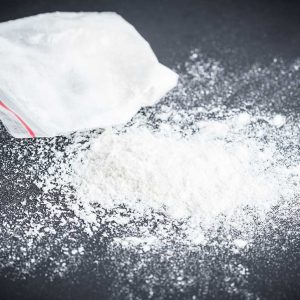
Heroin: Educational Overview
Heroin is a highly addictive opioid drug made from morphine, which comes from the seed pod of the opium poppy plant. It acts on the brain’s opioid receptors and can produce intense euphoria, pain relief, and sedation, but it also carries a very high risk of addiction, overdose, and death.
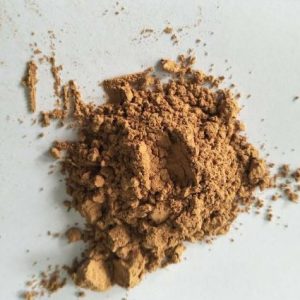
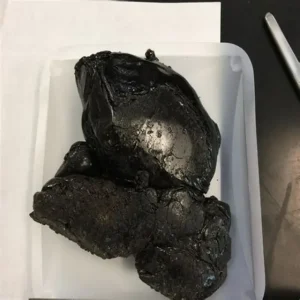
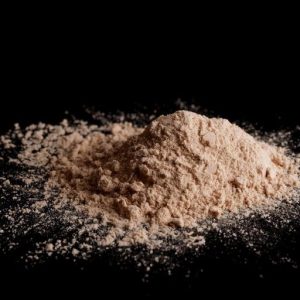
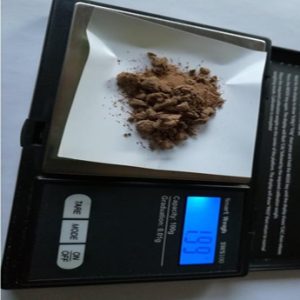
What heroin looks like
Heroin can appear as:
White or brown powder
Black sticky substance (“black tar heroin”)
Common ways it is used
Heroin may be:
Injected
Snorted
Smoked
How heroin affects the body
Short-term effects can include:
Intense euphoria or “rush”
Drowsiness / heavy sedation
Slowed breathing
Pinpoint pupils
Nausea or vomiting
Dry mouth
Warm flushing of the skin
Heavy arms and legs
Why heroin is so dangerous
Heroin is dangerous because it can quickly depress breathing and lead to overdose. Repeated use can also cause tolerance (needing more for the same effect), physical dependence, and opioid use disorder (OUD).
Additional risks include:
Overdose, especially when mixed with alcohol, benzodiazepines, or other drugs
Exposure to fentanyl or other substances mixed into the heroin supply without the user knowing
If injected: increased risk of HIV, hepatitis B/C, skin infections, bloodstream infections, and heart infection (endocarditis)
Overdose signs
Possible signs of a heroin overdose include:
Very slow, shallow, or stopped breathing
Person is hard to wake up or unconscious
Blue or gray lips/fingertips
Pinpoint pupils
Gurgling / choking sounds
Cold or clammy skin