
MAGIC MUSHROOMS
Showing 1–16 of 19 results
-
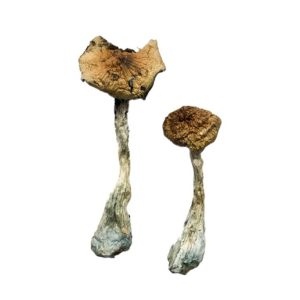
A+ Magic Mushrooms
MAGIC MUSHROOMS Price range: € 210,00 through € 1.200,00 Select options This product has multiple variants. The options may be chosen on the product page -
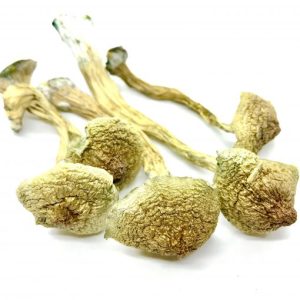
African Transkei
MAGIC MUSHROOMS Price range: € 120,00 through € 1.000,00 Select options This product has multiple variants. The options may be chosen on the product page -
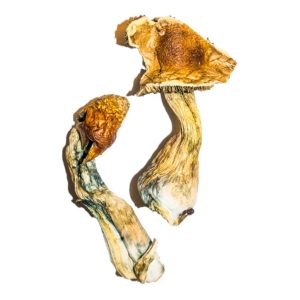
B+ Magic Mushrooms
MAGIC MUSHROOMS Price range: € 200,00 through € 1.200,00 Select options This product has multiple variants. The options may be chosen on the product page -
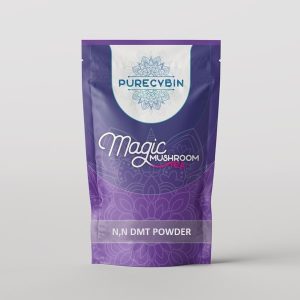
N, N DMT Powder
DMT Price range: € 100,00 through € 550,00 Select options This product has multiple variants. The options may be chosen on the product page -
Shafaa Macrodosing Magic Mushroom Dark Chocolate Edibles
MAGIC MUSHROOMS Price range: € 100,00 through € 150,00 Select options This product has multiple variants. The options may be chosen on the product page -
Cubensis
MAGIC MUSHROOMS Price range: € 180,00 through € 1.300,00 Select options This product has multiple variants. The options may be chosen on the product page -
B+ Cubensis
MAGIC MUSHROOMS Price range: € 210,00 through € 1.750,00 Select options This product has multiple variants. The options may be chosen on the product page -
BLUE MEANIE MUSHROOMS- one ounce
MAGIC MUSHROOMS Original price was: € 270,00.€ 250,00Current price is: € 250,00. Add to cart -
BUY ALBINO PENIS ENVY ONLINE
MAGIC MUSHROOMS Price range: € 260,00 through € 1.790,00 Select options This product has multiple variants. The options may be chosen on the product page -
Dry Cubensis (Stropharia)
MAGIC MUSHROOMS Price range: € 250,88 through € 1.750,88 Select options This product has multiple variants. The options may be chosen on the product page -
GOLDEN TEACHER MUSHROOMS 1 ounce
MAGIC MUSHROOMS Price range: € 220,00 through € 1.080,90 Select options This product has multiple variants. The options may be chosen on the product page



Psilocybin Mushrooms: Scientific, Ethnomycological & Public Health Overview
Introduction
Psilocybin Mushrooms refer to a group of fungi that contain naturally occurring compounds studied in scientific literature for their chemical, biological, and ecological properties. In academic contexts, these organisms are primarily examined through the fields of mycology, ethnomycology, pharmacology, and environmental biology.
From a biological standpoint, psilocybin-containing mushrooms are classified within diverse fungal genera and are part of broader research into psychedelic fungi information and naturally occurring fungal metabolites. Rather than being defined by their chemical constituents alone, these organisms are studied as complex living systems with ecological, evolutionary, and biochemical significance.
This overview provides an educational and research-focused examination of psilocybin compound research overview, mushroom taxonomy, ethnomycology, and the role of fungi in environmental and scientific study.
Fungal Biology and Taxonomy
Mushroom Classification Systems
In biological taxonomy, mushrooms belong to the kingdom Fungi, a diverse group of organisms that are distinct from plants and animals. Within this kingdom, psilocybin-containing species are distributed across multiple genera, making them a polyphyletic group in scientific classification rather than a single unified category.
The study of mushroom taxonomy and biology focuses on:
- Morphological structures (cap, stem, gills, spores)
- Genetic sequencing and evolutionary relationships
- Ecological function and habitat specialization
- Reproductive mechanisms via spore dispersal
These fungi are classified based on evolutionary lineage, genetic markers, and structural characteristics rather than chemical composition alone.
Ecological Roles of Fungi
Fungi play a crucial role in ecosystems worldwide. In the context of fungal biology psychedelic compounds research, scientists also study their broader ecological importance, including:
- Organic matter decomposition
- Nutrient cycling in soil ecosystems
- Symbiotic relationships with plants (mycorrhizal associations)
- Contributions to biodiversity and habitat stability
Mushrooms are essential decomposers, breaking down organic material and recycling nutrients back into ecosystems, supporting plant and microbial life.
Psilocybin in Scientific Research
Naturally Occurring Fungal Compounds
In scientific literature, psilocybin is classified as a naturally occurring fungal metabolite found in select mushroom species. It is studied within the broader category of fungal alkaloid compounds science, which examines naturally occurring chemical structures produced by fungi.
Research in this area focuses on:
- Chemical structure and biosynthesis pathways
- Metabolic processes in fungal organisms
- Interaction of fungal compounds with biological systems (in controlled research settings)
- Analytical chemistry techniques used to identify and study natural products
Laboratory and Clinical Research Context
Modern psilocybin compound research overview includes controlled laboratory and clinical studies conducted under strict regulatory oversight. These studies are designed to explore:
- Molecular interactions in biological systems
- Pharmacokinetics and pharmacodynamics in controlled environments
- Neuroscientific models of perception and cognition (within approved research frameworks)
- Safety, ethics, and regulatory compliance in scientific experimentation
It is important to emphasize that such research is conducted in regulated academic or clinical environments and is not representative of public use or application.
Ethnomycological and Historical Context
Ethnomycology as a Scientific Discipline
Ethnomycology mushroom studies examine the historical and cultural relationships between humans and fungi. This interdisciplinary field combines anthropology, history, and biology to document how different societies have observed, classified, and interacted with mushrooms.
Key areas of study include:
- Historical documentation of fungal species in cultural records
- Anthropological analysis of traditional ecological knowledge
- Linguistic and symbolic interpretations of fungi in cultural systems
- Preservation of indigenous ecological knowledge frameworks
Historical Documentation in Academic Research
In psychoactive mushroom research history, scholars analyze historical texts, archaeological evidence, and ethnographic studies to understand how fungi were perceived in different cultural contexts.
These studies are strictly academic and focus on:
- Cultural anthropology
- Historical ecology
- Ethnographic documentation methods
- Preservation of traditional knowledge systems
Ethnomycology does not promote usage but instead focuses on scientific documentation and cultural understanding.
Public Health and Scientific Perspectives
Modern Research and Neuroscience
Interest in public health psychedelic research has expanded within neuroscience, psychology, and pharmacology. This research is conducted under strict ethical and regulatory frameworks and aims to better understand:
- Brain activity and neural connectivity models
- Psychological processes in controlled clinical environments
- Safety and risk assessment in clinical research settings
- Therapeutic potential under regulated medical studies
These studies are highly controlled and reviewed by institutional ethics boards.
Scientific Ethics and Regulation
Scientific investigation into psilocybin mushrooms scientific overview is governed by strict ethical standards, including:
- Institutional review board approval
- Informed consent protocols
- Controlled laboratory conditions
- Compliance with national and international regulations
Researchers are required to follow rigorous scientific methodologies to ensure safety, accuracy, and ethical integrity.
Legal and Regulatory Overview
Global Classification Differences
The legal status of psilocybin-containing mushrooms varies significantly across countries and regions. In many jurisdictions, these organisms are classified under controlled substance regulations, while in others, they may be treated differently in research contexts.
It is important to distinguish between:
- Scientific classification (biological taxonomy and chemistry)
- Legal classification (regulatory frameworks and controlled substance laws)
These systems operate independently, with scientific research conducted under appropriate legal permissions.
Ecology and Environmental Role
Fungi in Ecosystem Health
Fungi are essential components of global ecosystems and contribute significantly to environmental balance. In studies of mushroom taxonomy and biology, researchers highlight their roles in:
- Soil regeneration and nutrient cycling
- Organic decomposition processes
- Forest ecosystem sustainability
- Symbiotic plant relationships
Their ecological importance extends beyond any single chemical property, making them key organisms in environmental science.
Frequently Asked Questions (FAQ)
What are psilocybin mushrooms in scientific terms?
They are fungi that contain naturally occurring compounds studied in mycology, chemistry, and neuroscience research.
What is ethnomycology?
Ethnomycology is the scientific study of the historical and cultural relationships between humans and fungi.
How are fungi classified biologically?
Fungi are classified based on genetic, morphological, and ecological characteristics within the kingdom Fungi.
Why are mushrooms studied in neuroscience and biology?
They are studied to understand fungal biology, ecological roles, and biochemical compounds in controlled scientific environments.
What is the role of fungi in ecosystems?
Fungi contribute to decomposition, nutrient cycling, soil health, and ecological balance in natural environments.
Conclusion
Psilocybin Mushrooms represent a scientifically significant group of fungi studied across multiple disciplines, including taxonomy, ecology, ethnomycology, and chemical research. Their importance lies not only in their biochemical properties but also in their ecological roles and historical documentation within human cultures.
Ongoing research continues to expand understanding in fungal biology psychedelic compounds, ecological science, and interdisciplinary studies that bridge biology, chemistry, and anthropology.
For further study, readers are encouraged to consult peer-reviewed scientific literature, ethnomycology research publications, or licensed academic professionals for deeper exploration of fungal biology and mushroom science.
Disclaimer: This content is provided strictly for educational and informational purposes only. Certain mushroom species may contain naturally occurring compounds studied in scientific, medical, and ethnomycological research. This page does not promote, encourage, or facilitate the cultivation, extraction, sale, or use of any controlled or psychoactive substances. Always comply with applicable laws and consult qualified academic or scientific professionals for guidance regarding fungal research.MAGIC MUSHROOMS