Pills: Types, Uses & Supplement Information Guide
Understanding Pills in Healthcare and Supplement Industries
Pills are one of the most widely used oral dosage forms in modern healthcare, pharmaceuticals, and dietary supplementation. In medication form education, the term “pill” is commonly used as a general reference for solid oral products that include tablets, capsules, and softgels.
From a scientific and regulatory perspective, pills are part of broader pharmaceutical dosage forms designed to deliver active ingredients in a controlled and standardized way. These formats are used across prescription medications, over-the-counter products, and wellness tablets and capsules found in regulated supplement markets.
This guide provides a comprehensive overview of pill supplements information, including formulation types, manufacturing standards, safety considerations, and global regulatory perspectives.
What Are Pills?
General Overview of Oral Solid Dosage Forms
In pharmaceutical terminology, “pills” is an informal umbrella term that typically includes:
- Tablets
- Capsules
- Softgels
These forms are designed for oral administration and are widely used due to their convenience, stability, and precise dosing characteristics.
In oral tablet formats, active ingredients are compressed into solid structures, while capsules typically contain powders, granules, or liquid formulations encased in a dissolvable shell.
Within medication form education, pills are considered one of the most standardized and widely researched delivery systems in healthcare.
Types of Pills: Tablets, Capsules, and Softgels
Tablets
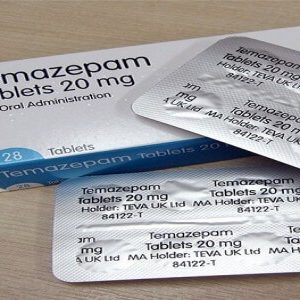
Tablets are solid compressed forms of medication or supplements created by pressing active and inactive ingredients into a defined shape.
Common characteristics include:
- Solid, compressed structure
- May include coatings for stability or controlled release
- Widely used in both prescription and over-the-counter supplement pills
Tablets are often designed for durability, cost efficiency, and precise ingredient formulation.
Capsules
Capsules are oral dosage forms where ingredients are enclosed within a dissolvable shell, typically made from gelatin or plant-based materials.
Key features include:
- Encapsulated powder or liquid contents
- Faster dissolution in the digestive system (depending on formulation)
- Often preferred in capsule vs pill differences discussions due to ease of swallowing
Plant-based capsules are increasingly used in modern supplement manufacturing due to dietary preferences.
Softgels
Softgels are a specialized form of capsule with a soft, flexible outer shell that typically contains liquid or oil-based ingredients.
Characteristics include:
- Smooth, easy-to-swallow design
- Sealed liquid or semi-liquid contents
- Common in nutritional and wellness formulations
Softgels are often used in wellness tablets and capsules product categories where oil-based ingredients are required.
Pill vs Capsule Differences
Understanding Capsule vs Pill Differences
A common topic in pill supplements information is the distinction between tablets and capsules.
Tablets
- Compressed solid form
- May dissolve at different rates depending on coating
- Often more stable and cost-effective
Capsules
- Encased in dissolvable shells
- Often easier to swallow
- Can contain liquid, powder, or granulated ingredients
Understanding capsule vs pill differences helps consumers interpret product labels and formulation types in both pharmaceutical and supplement industries.
Role of Pills in Healthcare and Wellness
Pharmaceutical and Supplement Applications
Pills play a central role in global healthcare systems. In regulated environments, they are used for:
- Prescription medications
- Over-the-counter treatments
- Dietary supplements
- Nutritional support products
In wellness industries, wellness tablets and capsules are commonly formulated to deliver vitamins, minerals, and plant-based ingredients in standardized formats.
Pills are widely used because they offer:
- Consistent dosage control
- Portability and convenience
- Long shelf stability
- Scalable manufacturing efficiency
Manufacturing Standards and Quality Control
Ensuring Safety and Consistency
In regulated pharmaceutical and supplement industries, pills are produced under strict quality frameworks such as Good Manufacturing Practices (GMP).
Key quality control measures include:
- Ingredient purity testing
- Batch consistency verification
- Stability and shelf-life testing
- Microbial contamination screening
- Accurate labeling and dosage verification
These standards are essential for maintaining trust in both pharmaceutical products and over-the-counter supplement pills.
Safety Considerations and Responsible Use Education
Understanding Proper Usage Awareness
From a medication form education perspective, safety is a critical aspect of pill-based products. While pills are widely used, they must be handled responsibly according to professional guidance and product labeling.
Key safety principles include:
- Following labeled instructions
- Avoiding misuse or unintended combinations
- Understanding potential interactions
- Consulting healthcare professionals when needed
Public health guidance emphasizes informed decision-making and responsible use of all pharmaceutical and supplement products.
Regulatory and Legal Differences Across Countries
Global Oversight of Pill-Based Products
The regulation of pills varies widely depending on country and product classification. In general:
- Prescription medications are strictly controlled
- Over-the-counter products are regulated but more accessible
- Dietary supplements fall under separate regulatory frameworks
Authorities such as health ministries and pharmaceutical agencies oversee compliance in their respective regions.
These regulatory differences are an important part of pill supplements information and consumer education.
Consumer Guidance: Reading Labels and Verifying Quality
How to Evaluate Pill Products
Understanding product labeling is essential when reviewing oral tablet formats or capsule-based supplements.
Key label elements include:
- Active ingredients and concentrations
- Manufacturing details
- Expiration dates
- Regulatory certifications
- Allergen or dietary information
Consumers are encouraged to verify that products come from reputable manufacturers following GMP standards.
Frequently Asked Questions (FAQ)
What are pills?
Pills are solid oral dosage forms that include tablets, capsules, and softgels used in medications and dietary supplements.
What is the difference between tablets and capsules?
Tablets are compressed solids, while capsules contain ingredients enclosed in a dissolvable shell.
Are all pills medications?
No. Pills may include prescription medications, over-the-counter drugs, or dietary supplements depending on their formulation and regulation.
What are softgels used for?
Softgels are commonly used for oil-based or liquid ingredients in nutritional and wellness products.
How are pills regulated?
Pills are regulated differently depending on whether they are classified as prescription drugs, OTC medications, or dietary supplements.
Explore Pill-Based Product Information
Understanding Pills: Types, Uses & Supplement Information Guide helps consumers interpret product formats, improve awareness of manufacturing standards, and make informed decisions when reviewing pharmaceutical or supplement products.
For accurate guidance, always refer to verified medical sources or licensed healthcare professionals.
Disclaimer: This content is provided strictly for educational and informational purposes only. Pills, tablets, and capsules may include prescription medications, over-the-counter drugs, or dietary supplements, which are subject to regulation in different countries. This page does not promote, encourage, or facilitate the misuse of any pharmaceutical or controlled substances. Always consult qualified healthcare professionals and follow applicable laws and medical guidance before using any health-related products.