Edibles: Types, Ingredients & Product Information Guide
Introduction
Edible products play an increasingly important role in modern nutrition, wellness, and functional food industries. In a general consumer and food science context, an Edible refers to any consumable product designed for oral ingestion, including food-based supplements, fortified nutrition items, and plant-based wellness foods.
As global interest in nutrition and ingredient transparency grows, edible product information has become a key focus for consumers seeking convenient, accessible, and clearly labeled dietary options. The category of edibles now spans a wide range of food-based supplement edibles, functional food edibles, and plant-based edible products, reflecting innovation in food technology and wellness-oriented consumer goods.
This guide provides an educational overview of edible products, including their ingredients, formats, manufacturing standards, and evolving consumer trends within the global wellness and nutrition industry.
Types of Edible Products
Food-Based Supplements
Food-based supplements represent one of the most common consumable supplement categories. These products are designed to support general nutritional intake by combining food ingredients with vitamins, minerals, or plant-derived nutrients.
Examples include fortified snacks, nutritional bars, and vitamin-enriched food items.
Herbal and Botanical Edible Products Overview
Herbal edible products overview includes food items that incorporate botanical ingredients traditionally associated with wellness-focused nutrition. These products are generally formulated using plant extracts, herbs, and naturally derived compounds within food-safe limits.
They are typically positioned within the broader category of functional foods rather than medicinal products.
Functional Foods and Fortified Nutrition Products
Functional food edibles are designed to provide additional nutritional value beyond basic dietary energy. These may include:
- Protein-enriched foods
- Fiber-fortified snacks
- Vitamin-enhanced consumables
- Mineral-enriched food products
These products are widely used in modern wellness and active lifestyle nutrition.
Plant-Based Consumable Formats
The demand for plant-based edible products continues to grow globally. These items focus on plant-derived ingredients and are often associated with clean-label, vegan, or vegetarian dietary preferences.
Common plant-based edible formulations include:
- Fruit-based snacks
- Plant protein foods
- Botanical-infused nutrition products
- Natural ingredient blends
Ingredients and Formulation Overview
Natural Ingredients in Edible Products
Modern edible products often emphasize natural and minimally processed ingredients. These may include:
- Fruits and vegetables
- Whole grains and seeds
- Plant-based proteins
- Natural sweeteners and flavoring agents
Ingredient transparency is a key factor in edible product information guide labeling practices.
Plant-Based Extracts, Vitamins, and Nutrients
Many edibles incorporate functional ingredients such as:
- Essential vitamins (A, B-complex, C, D, E)
- Minerals (calcium, magnesium, zinc)
- Plant extracts and phytonutrients
- Fiber and digestive-support ingredients
These components are integrated to support general nutritional balance within dietary frameworks.
Food-Safe Formulation Methods
The creation of edible products involves controlled food manufacturing processes, including:
- Ingredient blending and homogenization
- Flavor balancing and stabilization
- Preservation techniques for shelf stability
- Encapsulation or texturization for consistency
All processes follow strict food safety regulations to ensure consumer safety and product quality.
Edible Product Formats
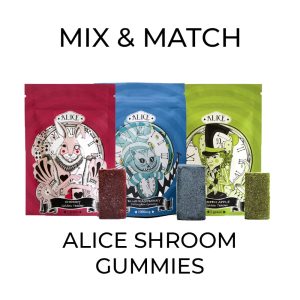
Gummies
Gummies are one of the most popular wellness edible formats due to their convenience, taste, and ease of consumption. They are typically made using gelatin or plant-based alternatives combined with flavoring and active ingredients.
Chewables
Chewable edibles offer a tablet-like structure but are designed for easier consumption and faster breakdown. These are commonly used in nutritional supplementation.
Infused Food Products
Infused foods include items where functional ingredients are incorporated into everyday food formats such as snacks, beverages, or baked goods. These products are part of the expanding functional nutrition edible market.
Functional Nutrition Snacks
These include bars, bites, and snack-style products formulated with enhanced nutritional profiles, often targeting energy, recovery, or general wellness support.
Quality, Manufacturing, and Safety Standards
Food Safety Regulations
All edible products must comply with established food safety systems such as:
- GMP (Good Manufacturing Practices)
- HACCP (Hazard Analysis and Critical Control Points)
- ISO-certified food production standards
These frameworks ensure consistent product safety and quality control.
Ingredient Sourcing and Traceability
Modern consumers increasingly demand transparency in sourcing. Manufacturers often provide:
- Supply chain traceability
- Origin documentation for raw materials
- Sustainable sourcing certifications
Lab Testing and Quality Assurance
Quality assurance processes typically include:
- Ingredient purity testing
- Contaminant screening
- Nutritional verification
- Batch consistency analysis
Label Transparency
Clear labeling is essential in edible product information guide standards. Labels typically include:
- Ingredient lists
- Nutritional information
- Allergen warnings
- Storage instructions
Consumer Trends in Edible Products
Growth of Functional Foods
The global demand for functional food edibles continues to rise as consumers prioritize convenience and nutrition in a single product format.
Plant-Based and Natural Formulations
There is increasing interest in plant-based edible products due to lifestyle choices, sustainability concerns, and dietary preferences.
Convenience-Driven Consumption
Modern consumers prefer ready-to-consume formats such as gummies, bars, and snacks that fit into fast-paced lifestyles.
Innovation in Food Supplement Categories
Food technology advancements are driving innovation in texture, flavor, stability, and nutrient delivery systems within edible products.
Storage, Freshness, and Packaging
Proper Storage Conditions
Edible products must be stored according to manufacturer guidelines to maintain freshness, including temperature and humidity control.
Packaging Standards
Packaging plays a key role in:
- Protecting product integrity
- Extending shelf life
- Preventing contamination
- Ensuring safe transport and storage
Preservation of Quality
Modern packaging technologies help preserve:
- Flavor stability
- Nutritional value
- Texture and consistency
Frequently Asked Questions (FAQ)
What are edible products?
Edible products are consumable food items designed for ingestion, including functional foods, supplements, and nutrition-focused snacks.
What types of edible supplements exist?
Common types include gummies, chewables, fortified foods, protein snacks, and plant-based nutrition products.
How are functional food edibles made?
They are produced using food-safe manufacturing processes that combine ingredients, nutrients, and stabilizers under regulated conditions.
Are plant-based edibles safe?
When manufactured under proper food safety standards, plant-based edibles are considered safe for general consumption.
What regulations apply to edible products?
Edible products are regulated under food safety laws, including GMP, HACCP, and regional food authority guidelines.
Conclusion
The category of Edible products continues to expand as part of the global wellness and nutrition industry. From food-based supplement edibles to functional nutrition edible formats, these products reflect growing consumer demand for convenient, transparent, and nutritionally enhanced food options.
As innovation continues, edibles are expected to play an even greater role in shaping modern dietary habits and functional nutrition solutions.
For more information, consumers are encouraged to explore verified nutrition and wellness resources or consult qualified professionals for more information on edible food products and dietary supplements.
Disclaimer
“Disclaimer: This content is provided strictly for educational and informational purposes only. Edible products may include food, supplements, or functional nutrition items that are subject to local food safety and regulatory laws. This page does not promote, encourage, or facilitate the misuse of any substances. Always review applicable laws and consult qualified professionals before using any edible or dietary products.”