
Piperazine
Showing all 2 results
-
Buy 3-Trifluoromethylphenylpiperazine (TFMPP) HCl
Piperazine € 150,00 – € 900,00Price range: € 150,00 through € 900,00 Select options This product has multiple variants. The options may be chosen on the product page -
Buy Benzylpiperazine (BZP) Powder
Piperazine € 125,00 – € 750,00Price range: € 125,00 through € 750,00 Select options This product has multiple variants. The options may be chosen on the product page

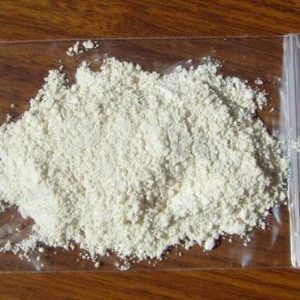
Piperazine: Chemical Structure, Pharmacology & Public Health Overview
Introduction
Piperazine is a heterocyclic organic compound widely studied in chemistry, pharmacology, toxicology, and industrial science. In a scientific context, it is classified as part of the broader family of heterocyclic organic chemistry information, characterized by a six-membered ring containing two nitrogen atoms positioned opposite each other.
Within scientific literature, piperazine is not defined by a single application but rather by its versatility as a chemical scaffold used in pharmaceutical research, industrial synthesis, and laboratory studies. Its derivatives are frequently referenced in pharmacology of piperazine derivatives due to their structural adaptability in medicinal chemistry.
The study of piperazine spans multiple disciplines, including chemical engineering, forensic science, and public health, making it a relevant subject in synthetic chemical structure classification systems and research chemicals chemical classification frameworks.
Chemical Structure and Properties
Heterocyclic Organic Compound Structure
Piperazine is a six-membered heterocyclic compound consisting of two nitrogen atoms in a symmetrical arrangement within a saturated carbon ring. This structural configuration classifies it as a key example in heterocyclic organic chemistry information studies.
The presence of nitrogen atoms gives piperazine distinctive chemical behavior, making it useful in the development of more complex molecular structures in pharmaceutical and industrial chemistry.
Molecular Behavior and Chemical Properties
In laboratory research contexts, piperazine is studied for its:
- Solubility characteristics in aqueous and organic environments
- Basicity due to nitrogen lone pairs
- Reactivity in substitution and derivatization reactions
- Stability under controlled chemical conditions
These properties make it an important intermediate in piperazine chemical compounds overview research.
Role in Chemical Classification Systems
Piperazine is commonly used as a structural backbone in chemical classification systems. It serves as a reference compound in:
- Medicinal chemistry frameworks
- Organic synthesis pathways
- Functional group classification studies
- Structure-activity relationship (SAR) modeling
Pharmacological and Pharmaceutical Relevance
Historical and Scientific Use in Medicine
Certain piperazine derivatives have been studied historically in pharmaceutical research. In pharmacology of piperazine derivatives, scientists analyze how modifications to the core structure influence biological interactions under controlled research conditions.
These studies are conducted strictly within regulated scientific environments and focus on:
- Molecular structure optimization
- Receptor interaction modeling
- Drug development research frameworks
- Comparative analysis of heterocyclic compounds
Medicinal Chemistry and Drug Development Research
In medicinal chemistry, piperazine is valued as a flexible scaffold for designing compounds with varied pharmacological properties. Researchers study:
- Structure-activity relationships (SAR)
- Binding affinity in controlled laboratory models
- Compound stability and bioavailability in research settings
- Synthetic modification potential for pharmaceutical development
Controlled Pharmaceutical Synthesis Environments
All pharmaceutical-related studies involving piperazine occur within controlled environments, such as academic laboratories and licensed industrial facilities. These settings ensure compliance with safety, ethical, and regulatory standards.
Forensic Science and Toxicology Perspectives
Forensic Toxicology Analysis
In forensic science, forensic toxicology piperazine analysis involves the detection and identification of piperazine compounds in biological or environmental samples under laboratory conditions.
This includes:
- Toxicological screening in controlled forensic laboratories
- Chemical identification using reference standards
- Interpretation of analytical data in legal and medical contexts
Analytical Detection Methods
Common laboratory techniques used in piperazine analysis include:
- Gas chromatography–mass spectrometry (GC-MS)
- Liquid chromatography–mass spectrometry (LC-MS)
- High-performance liquid chromatography (HPLC)
- Spectroscopic identification methods
These tools allow precise identification of chemical compounds in forensic and research environments.
Public Health Monitoring
In public health contexts, monitoring of chemical compounds like piperazine contributes to:
- Chemical exposure assessment
- Environmental safety evaluations
- Toxicological risk profiling
- Regulatory compliance monitoring
Industrial and Research Applications
Chemical Manufacturing Processes
Piperazine is widely used in industrial chemistry as an intermediate in the synthesis of various chemical products. Its role in piperazine chemical compounds overview studies includes supporting the development of:
- Industrial solvents
- Chemical intermediates
- Specialty industrial materials
Polymer and Material Science Applications
In materials science, piperazine derivatives are sometimes used in polymer chemistry to modify structural properties such as flexibility and durability.
Laboratory Reagent Research
Piperazine is also used in controlled laboratory settings as a reagent in organic synthesis research, where it assists in studying reaction mechanisms and compound formation.
Public Health and Safety Considerations
Chemical Safety Classification
Piperazine is subject to chemical safety regulations that govern its handling, storage, and use in laboratory and industrial environments. These classifications are part of broader public health chemical safety information frameworks.
Toxicological Research Considerations
Scientific literature includes toxicological assessments that examine:
- Exposure thresholds in controlled studies
- Occupational safety guidelines
- Biological interaction mechanisms in experimental models
- Risk classification systems
Occupational Exposure Frameworks
Risk management in industrial settings includes:
- Workplace exposure monitoring
- Protective equipment protocols
- Regulatory compliance systems
- Safety training requirements
Regulatory and Legal Overview
International Classification Systems
The regulatory status of piperazine varies depending on jurisdiction and intended use. In most cases, it is regulated under:
- Chemical safety regulations
- Industrial manufacturing guidelines
- Pharmaceutical research oversight frameworks
Industrial vs Pharmaceutical Regulation
Piperazine may fall under different classifications depending on context:
- Industrial chemical use regulations
- Pharmaceutical development standards
- Controlled substance frameworks for certain derivatives (jurisdiction-dependent)
Role of Regulatory Agencies
International agencies oversee chemical safety through:
- Risk assessment protocols
- Manufacturing compliance monitoring
- Environmental protection standards
- Laboratory safety guidelines
Ethical and Scientific Considerations
Responsible Scientific Communication
In academic and public scientific discourse, accurate communication of chemical information is essential to ensure:
- Misinterpretation prevention
- Scientific integrity
- Public safety awareness
- Transparent research reporting
Academic Integrity in Chemical Research
Researchers studying piperazine must adhere to:
- Ethical publication standards
- Data reproducibility requirements
- Controlled experimental design
- Regulatory compliance obligations
Frequently Asked Questions (FAQ)
What is piperazine in chemistry?
Piperazine is a heterocyclic organic compound with two nitrogen atoms in a six-membered ring structure used in chemical and pharmaceutical research.
What are piperazine compounds used for?
They are used in pharmaceutical research, industrial chemistry, and as intermediates in chemical synthesis studies.
Is piperazine a pharmaceutical compound?
Some derivatives of piperazine have been studied in pharmaceutical research, but its use depends on specific chemical modifications and regulatory approval.
How is piperazine studied in forensic science?
It is analyzed using laboratory techniques such as GC-MS and LC-MS to identify and study chemical composition in controlled environments.
What is the chemical structure of piperazine?
It consists of a six-membered saturated ring containing two nitrogen atoms positioned opposite each other.
Conclusion
Piperazine is an important heterocyclic compound in modern chemistry, with applications spanning pharmaceutical research, industrial manufacturing, forensic toxicology, and chemical classification systems. Its versatility as a molecular scaffold makes it a significant subject of study in heterocyclic organic compounds chemistry and pharmaceutical piperazine derivatives research.
Ongoing scientific investigation continues to expand understanding of its chemical behavior, safety profile, and industrial relevance under regulated and controlled conditions.
For further study, readers are encouraged to consult peer-reviewed chemical literature, pharmacology research publications, or licensed scientific professionals for further study on piperazine chemistry and toxicology.
Disclaimer: This content is provided strictly for educational and informational purposes only. Piperazine and its derivatives may be subject to chemical safety regulations or controlled substance laws depending on jurisdiction. This page does not promote, encourage, or facilitate the synthesis, distribution, or misuse of any chemical compounds. Always comply with applicable laws and consult qualified scientific or regulatory professionals for guidance regarding chemical safety and research.