
Mescaline Cactus
Showing all 7 results
-
PEYOTE DECIPIENS – LOPHOPHORA DECIPIENS
Mescaline Cactus Price range: € 29,00 through € 90,00 Select options This product has multiple variants. The options may be chosen on the product page
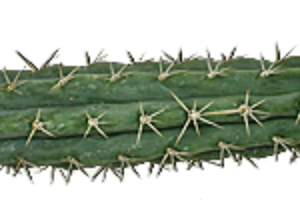

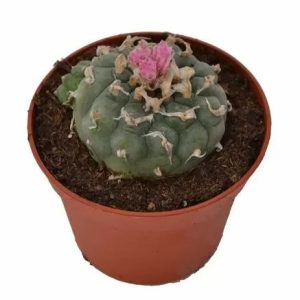


Mescaline Cactus: Botanical & Ethnobotanical Educational Overview
The term “Mescaline Cactus” is an informal descriptor used in botanical and ethnobotanical contexts to refer to certain cactus species that are known in scientific literature to contain naturally occurring alkaloid compounds, including mescaline. In academic and educational settings, these plants are primarily studied within the fields of ethnobotany, plant chemistry, anthropology, and desert ecology rather than as consumer products.
This overview is intended strictly for educational purposes to explain the botanical classification, chemical research context, and cultural history associated with these cactus species.
Botanical Classification and Species Context
Ethnobotanical Cacti and Species Diversity
Within botanical science, several cactus species are studied under the broader category of ethnobotanical cacti. These plants are native to arid and semi-arid regions of the Americas and are recognized for their unique adaptations to extreme environmental conditions.
Commonly referenced species in academic literature include members of genera such as Lophophora and Echinopsis, which are studied for their plant chemical composition and ecological significance.
In scientific classification, these cacti are not defined by their chemical constituents alone but by their morphological characteristics, genetic lineage, and ecological roles within desert ecosystems.
Mescaline as a Naturally Occurring Alkaloid
Plant Alkaloid Science Overview
Mescaline is classified in scientific literature as a naturally occurring phenethylamine alkaloid found in certain cactus species. Alkaloids are a large group of plant-derived chemical compounds that can have a wide range of biological functions in nature, including roles in plant defense mechanisms and ecological interactions.
In the context of cactus alkaloid science overview, mescaline is studied as part of broader research into plant secondary metabolites. These compounds are of interest in pharmacology, organic chemistry, and toxicology for their structural diversity and biochemical properties.
It is important to emphasize that scientific references to mescaline in cacti are typically focused on chemical structure, biosynthesis, and natural occurrence, rather than application or use.
Ethnobotanical and Cultural Research Context
Traditional Knowledge and Historical Documentation
In ethnobotany cactus species information, certain cactus species have been documented in anthropological studies for their historical significance within indigenous cultural practices in parts of the Americas.
Ethnobotany as a discipline focuses on understanding how different cultures have historically interacted with plants for spiritual, symbolic, medicinal, and ecological purposes. These studies are conducted with respect for cultural heritage and emphasize documentation, preservation, and academic analysis.
Modern ethnobotanical research prioritizes ethical study frameworks and collaboration with Indigenous knowledge systems, ensuring that cultural context is represented accurately and respectfully.
Scientific Research and Plant Chemistry Studies
Cactus Chemical Composition Studies
From a scientific perspective, plant chemistry research in desert species includes the analysis of secondary metabolites found in cacti. Researchers use laboratory methods such as chromatography and spectroscopy to identify and study naturally occurring compounds.
These studies contribute to broader fields including:
- Natural product chemistry
- Pharmacognosy
- Environmental biochemistry
- Desert plant ecology
In academic literature, cactus species are valued for their biochemical diversity and their ability to thrive in extreme environments, making them important subjects in evolutionary biology and ecological chemistry research.
Ecology and Environmental Adaptation
Desert Plant Ecology
Cacti studied under ethnobotanical cactus species information are highly specialized for survival in arid ecosystems. They exhibit adaptations such as water storage tissues, reduced leaf structures, and specialized photosynthetic pathways.
These adaptations make cacti important models for studying:
- Climate resilience in plants
- Water conservation strategies in extreme environments
- Desert ecosystem biodiversity
- Evolutionary plant biology
Their ecological role extends beyond chemistry, contributing significantly to habitat stability and biodiversity in desert regions.
Legal and Regulatory Context
Scientific Classification vs Legal Status
In many countries, certain cactus species may be subject to regulatory frameworks depending on their chemical composition or regional environmental protection laws.
However, it is important in academic contexts to distinguish between:
- Scientific classification (botany, chemistry, taxonomy)
- Legal classification (regulatory and controlled substance frameworks)
Researchers working in this field must comply with applicable laws and institutional ethical guidelines when studying plant materials.
Public Health and Scientific Ethics
Responsible Research Communication
In botanical pharmacology and cactus studies, scientific communication emphasizes accuracy, neutrality, and ethical responsibility. Ethnobotanical research is conducted in collaboration with academic institutions, respecting both environmental conservation principles and cultural heritage considerations.
Educational materials avoid promoting or encouraging any form of use and instead focus on:
- Scientific documentation
- Chemical and ecological analysis
- Historical and cultural context
- Conservation and biodiversity awareness
Conclusion
The term Mescaline Cactus refers to a group of cactus species studied within ethnobotany and plant chemistry research due to their naturally occurring alkaloid compounds. In scientific and educational contexts, these plants are primarily understood through their botanical classification, ecological adaptations, and chemical composition rather than any applied or experiential use.
Continued research in this area contributes to broader understanding in plant science, desert ecology, ethnobotany, and natural product chemistry, supporting both academic knowledge and environmental conservation efforts.
For further study, readers are encouraged to consult peer-reviewed ethnobotanical research, botanical science publications, and academic institutions specializing in plant biology and chemistry.
Disclaimer: This content is provided strictly for educational and informational purposes only. Some cactus species may contain naturally occurring chemical compounds studied in scientific and ethnobotanical research. This page does not promote, encourage, or facilitate the cultivation, extraction, sale, or use of any controlled or psychoactive substances. Always comply with applicable laws and consult qualified academic or scientific professionals for guidance regarding botanical research.